
SMCC Book Club
THE
WAX
Child
By Olga Ravn
“Remove them the right shoe and drink from it. Some ale or wine, and at once all love for her, will be lost.”
Thursday, May 21 2026
2:30 – 3:30 PM
All are welcome. Bring your copy of the book, a friend, and your thoughts.
Podcast with the author
Interview with the Author Podcast Book Overview by Gary Crossey📚 What to expect from the book
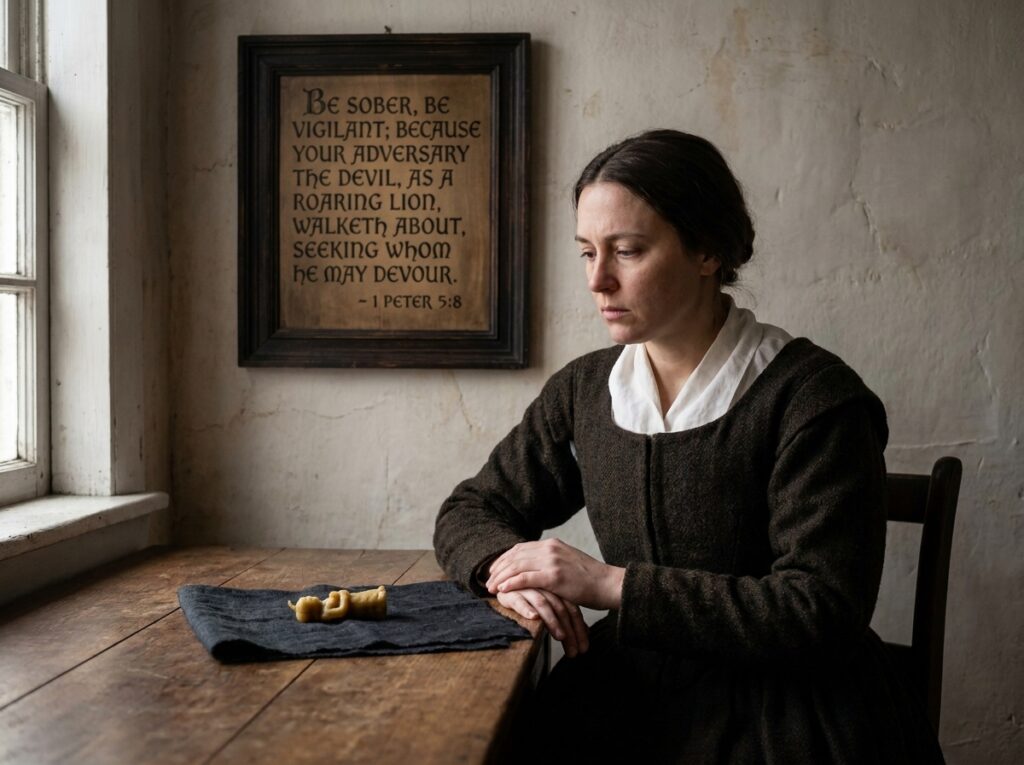
The first half frames the Wax Child as a beeswax “instrument” made by the noblewoman Christenza (Costanza) and ties her growing reputation for witchcraft to Anna’s repeated infant deaths, Usa’s coerced “confession” under torture, and the resulting legal-religious machinery (pastors, Eiler, and the king’s agents) that turns rumor, grief, and misogyny into formal accusations while Costanza flees and becomes entangled with a new circle of women in Aalborg.
The opening frames the Wax Child narrating from a far-future, buried, centuries-spanning perspective, and it repeatedly jumps between the 1615 events (Costanza, Anna, Usa) and later outcomes plus broad historical leaps, so it is not all happening at one time.
The wax doll’s voice lets the novel witness centuries of misogyny and witch-hunt “machinery” from a powerless, enduring object, so the plot moves in leaps and rumor-driven fragments (more history-than-character intimacy), which is why the women can feel intentionally distant unless you read their small, repeated moments of desire, fear, loyalty, and betrayal as the main way the book asks you to care.
Those “someone said… someone said…” and “they say…” passages are doing several things at once, and they matter because the novel is less interested in giving you a stable, authoritative account than in showing how stories, fear, and blame move through a community.
First, the repetition mimics oral gossip. In a village or small town, information often travels as a chain of retellings: nobody owns the story, everybody repeats it, and each repetition slightly shifts emphasis. By refusing to name a single speaker, the text makes the voice feel collective, like rumor has become its own creature. This is exactly how witchcraft accusations historically spread: not as one clean allegation, but as a fog of “I heard that…” that thickens until authorities treat it like fact.
Second, it creates distance and deniability. “Someone said” is a linguistic shrug. It lets a community circulate cruelty without any individual taking responsibility. That matters thematically because the book is examining how misogyny and institutional violence can feel “automatic.” No one person has to be fully evil for the machine to run. The phrasing models the moral cowardice of the crowd: a harm is done, but it arrives via passive voice, half-quotes, and secondhand certainty.
Third, the form captures how fear becomes rhythm. Repetition is not only semantic, it is sonic. It can feel like chanting, like a spell, like a courtroom refrain, like a prayer turned inside out. That’s a clever inversion: the people claim to fear witchcraft, yet their language becomes incantatory. In other words, the community performs the very contagion it condemns. The repeated clause also speeds your reading and narrows your attention, which can create a pressured, claustrophobic sensation. You get pulled into the momentum, the way characters get pulled into events.
Fourth, “they say” can signal institutional voice. Sometimes it sounds like villagers; sometimes it sounds like officials, demonology manuals, clergy, or court procedure. That ambiguity is purposeful. The book is showing how “common talk” and “official talk” reinforce each other. Folk suspicion borrows authority from religion and law, while institutions borrow emotional power from rumor. The pronoun “they” becomes a mask worn by different groups, which suggests a single ecosystem of blame.
Fifth, this technique fits the Wax Child’s position as a narrator: an object that “hears” humanity as a continuous stream. The Wax Child cannot intervene, cannot correct, cannot stop anything. So the human world arrives as overlapping voices: claims, counterclaims, fragments of story, fixed phrases. The repetition can feel like the Wax Child is cataloging speech the way a witness might record testimony, but without the power to judge it in court. That aligns with the novel’s preoccupation with witnessing across time.
Sixth, it dramatizes how women’s lives are turned into text. “Someone said” often precedes lurid anecdotes, moral tales, or accusations. Historically, women were frequently reduced to the stories told about them. By writing the rumor-chain so explicitly, the author shows the process of reduction: a person becomes a narrative, then a verdict, then a punishment. The language is doing violence before the fire ever does.
Finally, it may also be a craft choice shaped by the book’s interest in fragmentation over intimacy. Instead of deep interior monologues for every character, you get a social texture: what people repeat, what they fear, what they enjoy condemning. If you “do care,” this is an invitation to care in a different register. The emotional center is not only in private feelings, but in the repeated social actions of speech: loyalty expressed in whispers, betrayal done by retelling, love made risky by what “they” might say.
So the point is not that the author couldn’t pick a speaker. It is that the author wants you to feel how accusation is built: sentence by sentence, mouth to mouth, until it sounds like everybody, and therefore like truth.